Back to Blog

BJJ Gear Guide: What to Buy for Your First Class

Joe Solecki
6 min read
BJJ Gear Guide: What to Buy for Your First Class

BJJ Gear Guide: What to Buy Before Your First Class

A No-Nonsense Breakdown of Everything You Need (and Don't Need) to Start Training

One of the questions I get asked most at Solecki BJJ in Gastonia is "What do I need to buy before I start?" The short answer: not much. The longer answer is what this post is for.

There's a lot of BJJ gear for beginners out there, and companies love to sell you stuff you don't need yet. I've been training since I was six years old and competing at the highest levels for over a decade, and I can tell you that most of the gear that matters is simple, affordable, and easy to find.

Here's a practical breakdown of what you actually need for your first few classes, what you'll want to pick up once you're committed, and what you should skip entirely as a beginner.


What You Need for Your Very First Class

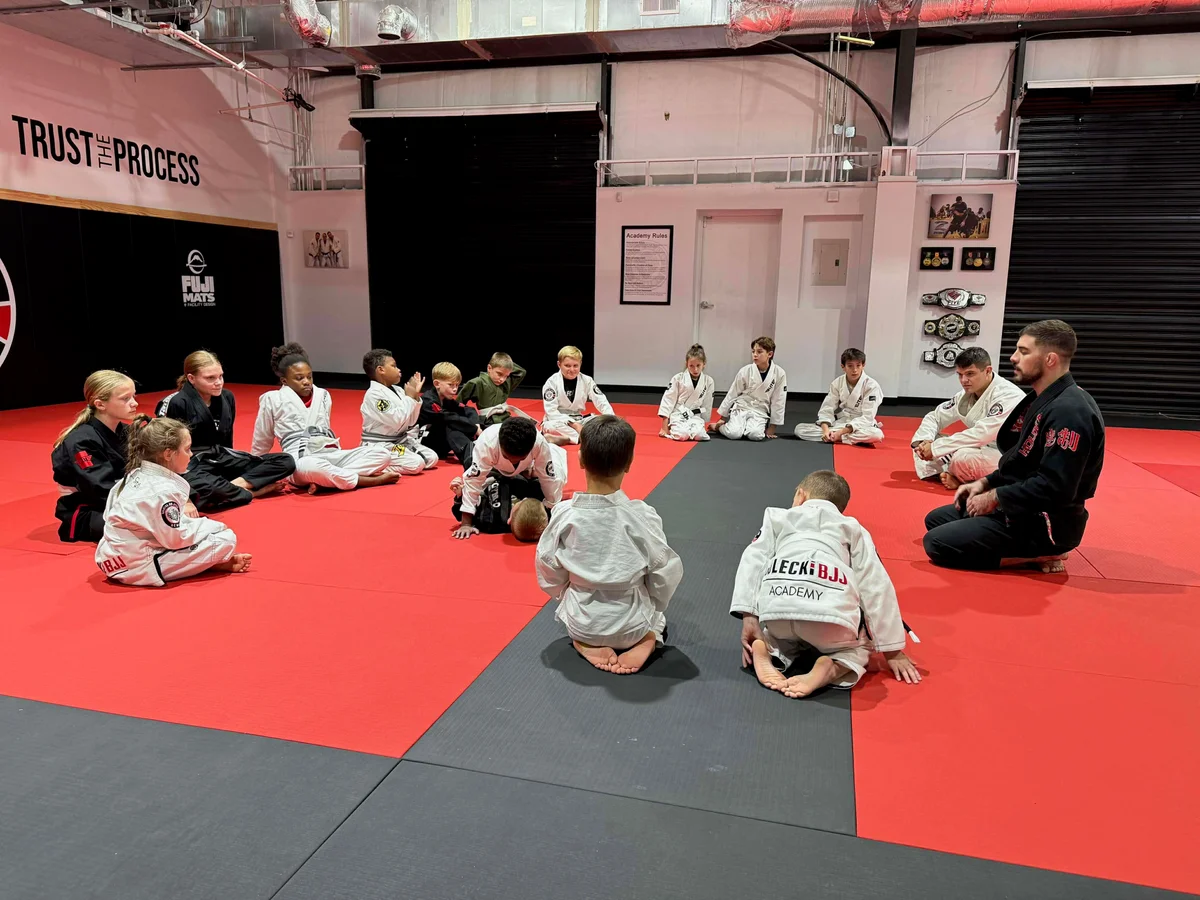
Before you spend a dime, know this: at Solecki BJJ, we have loaner gis available for new students. So if you're just trying a class to see if you like it, all you really need to bring is yourself, a water bottle, and the right attitude.

That said, here's what to wear and bring on day one:

For a Gi class:

  • Clean t-shirt and athletic shorts or pants to wear under the loaner gi
  • No zippers, buttons, or pockets on your clothing
  • Sandals or slides for walking off the mat

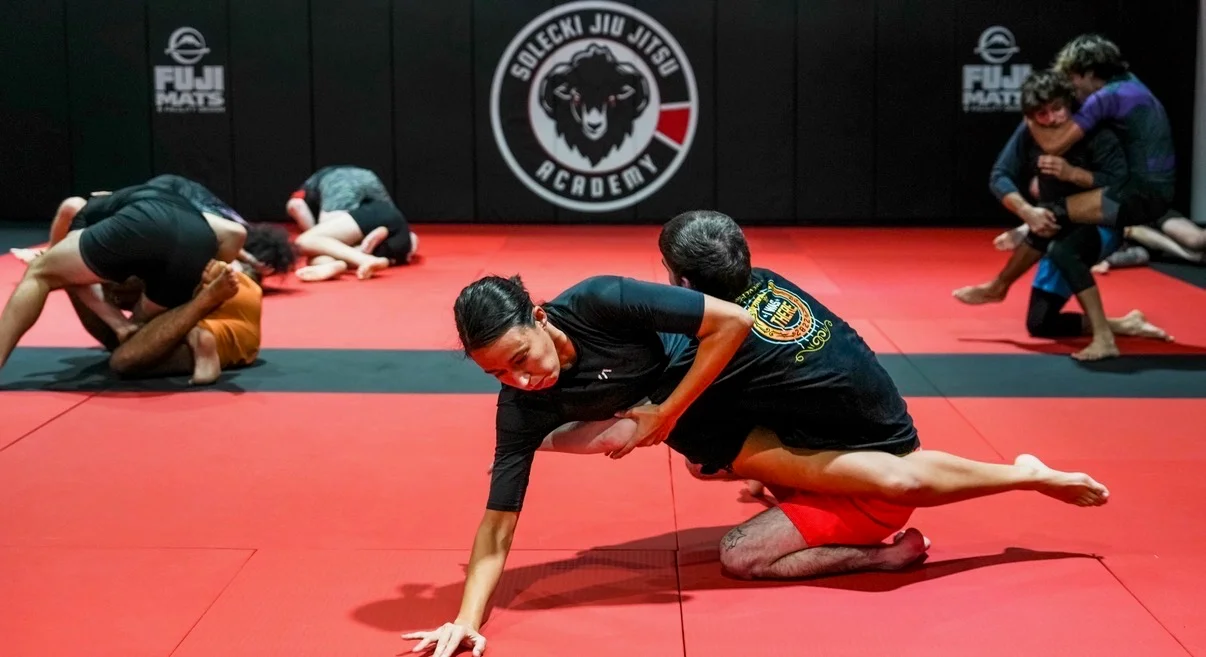
For a NoGi class:

  • A fitted athletic shirt or rash guard (a regular t-shirt works in a pinch)
  • Athletic shorts without pockets, zippers, or loose fabric
  • Sandals or slides

For either class:

  • Water bottle
  • Towel
  • Change of clothes for after
  • Short fingernails and toenails (trim them before you come)
  • All jewelry removed

That's it. If you want to know how a typical class flows from start to finish, check out our post on what to expect at your first BJJ class.


Buying Your First Gi

Once you've done a few classes and you know BJJ is something you want to stick with, it's time to get your own gi. Here's what to look for:

Gi Weight and Material

Gis come in lightweight, midweight, and heavyweight options. For your first gi, go midweight. It's the best balance of comfort, durability, and price. Lightweight gis are thinner and dry faster but wear out quicker. Heavyweight gis are tough but hot and slow to dry.

Gi Sizing

Gis are sized with a letter-number system (A1, A2, A3, etc.) based on your height and weight. Most brands have sizing charts on their website. If you're between sizes, go with the larger one---gis shrink slightly after washing. Sleeves should reach your wrists and pant legs should reach your ankles.

How Much to Spend

A solid beginner gi runs $60-$120. Sanabul, Elite Sports, and Fuji are reliable at beginner-friendly prices. Don't buy the cheapest gi with no reviews---the stitching will fall apart in months and you'll end up buying another one anyway.

Color

White and blue are the most common and are accepted at all gyms and competitions. Black is also popular but not always allowed at certain IBJJF tournaments. For your first gi, you can't go wrong with white or blue.


NoGi Gear Essentials

If you're training no-gi---and you should, because both styles make you a better grappler---here's what you need:

Rash Guard

A rash guard is a fitted, moisture-wicking shirt designed for grappling. It protects your skin from mat burn, wicks sweat, and gives your training partners a clean surface to grip (instead of your bare, sweaty skin).

  • Short sleeve or long sleeve: Both work. Long sleeves offer more skin protection. Short sleeves are cooler.
  • Compression fit: It should be snug. Loose rash guards bunch up and get grabbed during rolling.
  • Price range: $20-$50 is plenty for a good beginner rash guard.

Grappling Shorts

You need shorts that are flexible, durable, and have no pockets, zippers, or Velcro that could catch on fingers or toes. Board shorts with Velcro closures are a common mistake---the Velcro can scratch your training partners or rip out hair.

  • Look for shorts with a drawstring waist and a slim, athletic fit.
  • Fight shorts or grappling-specific shorts are your best bet.
  • $25-$40 will get you a solid pair.

Spats (compression tights) are another option, worn alone or under shorts. They keep your skin covered and reduce mat burn on your legs.

For a deeper breakdown of the differences between gi and no-gi training, read our post on gi vs no-gi BJJ.


Gear You Should Buy Early On

Once you're a few weeks in, these items are worth picking up:

Mouthguard

A mouthguard protects your teeth from accidental bumps during close grappling. A basic moldable mouthguard ($10-$20) works fine. SISU is a popular brand because it's thin enough to breathe and talk through.

Athletic Tape

Gi training is hard on your hands. Finger tape helps prevent injuries and supports sore joints. A roll costs a few dollars and lasts weeks.

Gym Bag

Get a bag with ventilation because your gear will get sweaty. Don't leave your sweaty gi balled up in there overnight---wash it as soon as you get home.


What NOT to Buy Yet

Here's where I save you money. As a beginner, skip these:

  • Competition-grade gis: You don't need a $200+ gi until you're competing regularly. A midweight beginner gi is fine.
  • Multiple gis right away: One gi is enough to start. Once you're training three or more times a week and can't keep up with laundry, get a second.
  • Headgear: Unless you have a specific ear injury or are very concerned about cauliflower ear, most recreational grapplers don't wear headgear. If you do develop ear issues down the road, then look into it.
  • Knee pads, ankle braces, or other protective gear: Don't buy these preemptively. If you develop a need for them based on an injury or a specific issue, address it then.
  • Instructional DVDs or online courses: Focus on what you're learning in class first. Instructionals can be overwhelming and confusing for beginners. Trust your coach.

Hygiene: The Gear Nobody Talks About

This isn't optional. Good hygiene is as important as any piece of gear you own.

  • Wash your gi and no-gi gear after every single training session. No exceptions. Hang your gi to dry or tumble dry on low.
  • Shower immediately after training. Don't sit around in your sweaty gear.
  • Use defense soap or tea tree oil body wash. These help prevent skin infections like ringworm and staph.
  • Keep your nails trimmed. Long nails scratch training partners and can cause infections.
  • Bring a clean towel to every class.

Respecting your training partners' health is part of being a good teammate.


Your Starter Checklist

Here's everything a beginner needs, roughly in the order you should buy it:

  1. Athletic clothing for your first class (you probably already own this)
  2. Water bottle and towel
  3. Your own gi (after 2-4 classes, once you're committed)
  4. Rash guard and grappling shorts for no-gi
  5. Mouthguard
  6. Athletic tape
  7. Defense soap or tea tree body wash
  8. A ventilated gym bag

Total cost for the full starter kit: roughly $120-$200, and you don't need to buy it all at once.


Get Started Without Spending a Dime

Your first class at Solecki BJJ is free, and we provide loaner gis so you don't need to buy anything to try it out. Show up in clean athletic clothes, and we'll handle the rest.

We offer gi and no-gi classes throughout the week, and our programs page has the full schedule so you can find a class that fits your life.

We're located at 4478 Posterity Ct in Gastonia, NC, and we welcome beginners from across the area. If you're ready to start, or just have questions about what to bring, reach out through our contact page and we'll get you set up.

Ready to Start Your BJJ Journey?

Join us at Solecki BJJ in Gastonia, NC for world-class Brazilian Jiu-Jitsu instruction. Your first class is completely free!