From Hobbyist to Competitor: Your BJJ Competition Path at Solecki
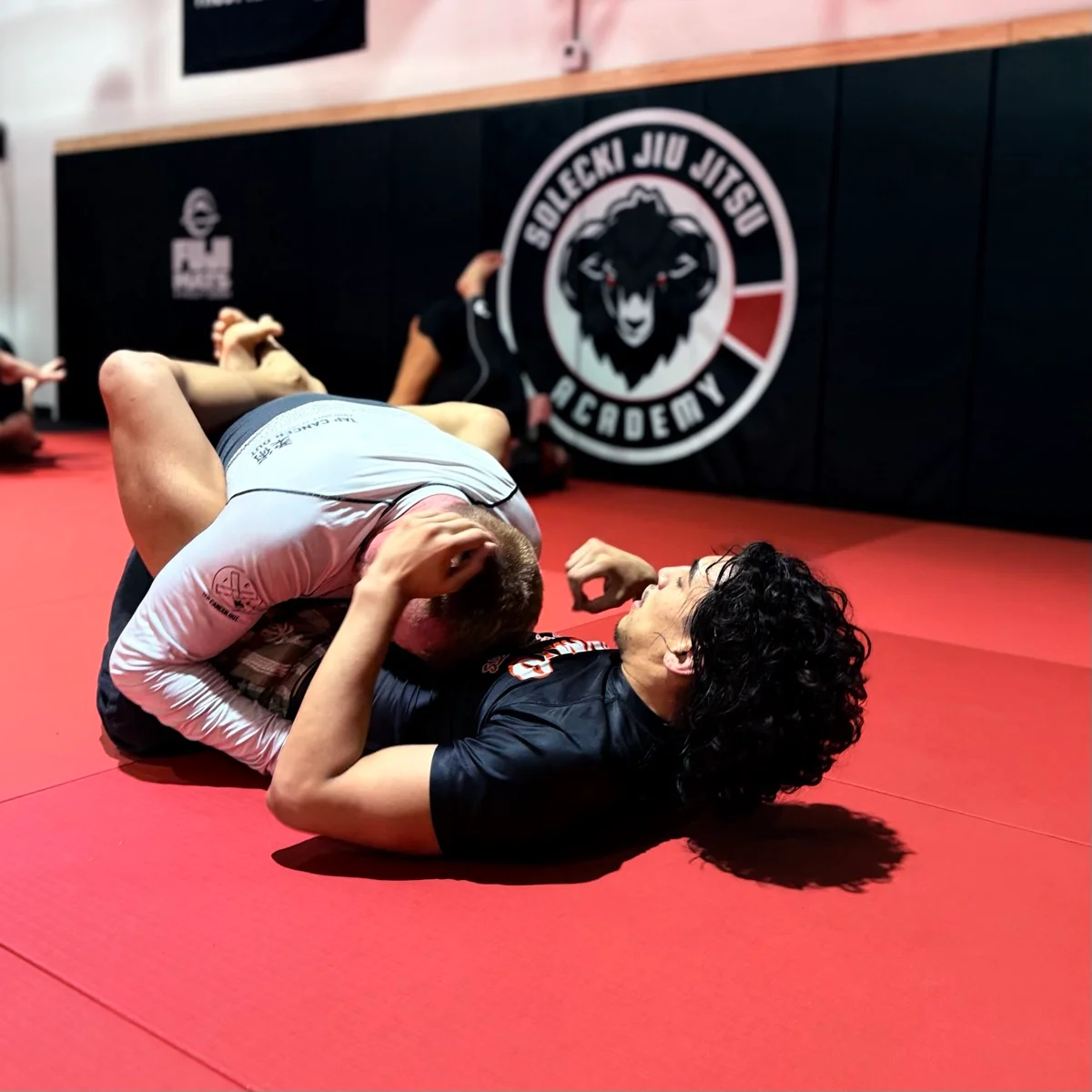
From Hobbyist to Competitor: Your BJJ Competition Path at Solecki
A Roadmap for Gastonia Students Ready to Test Themselves on the Tournament Mat
One of the things I'm most proud of at Solecki Jiu Jitsu in Gastonia is that we're a gym where hobbyists and competitors train side by side. One of our members, Brendan Hyde, put it perfectly in his review: "Whether you are a hobbyist or competitor, Solecki BJJ has you covered."
That's not an accident. It's by design.
But what happens when a hobbyist starts thinking about becoming a competitor? When someone who started BJJ for fitness or self-defense catches the itch and wants to test themselves in a tournament? That transition is something I've guided dozens of students through, and the path is more straightforward than most people think.
If you've been training at Solecki Jiu Jitsu in Gastonia--or anywhere else--and you're wondering whether BJJ competition for beginners is something you should pursue, this guide is for you.
Step 1: Recognize the Signs You're Ready
Most students who end up competing don't wake up one day and decide to do it out of nowhere. The interest builds gradually. Here are the signs I look for when a student is approaching readiness:
- You're training consistently. At least 3 times a week for several months. Consistency matters more than talent.
- You understand the basic positions. You know guard, mount, side control, back control, and the transitions between them. You don't need to be an expert, but you shouldn't be lost.
- You can roll without panicking. When you spar, you're thinking about technique, not just surviving. You might still get tapped regularly, but you're making decisions rather than just reacting.
- You're curious about testing yourself. This is the most important one. Competition should come from genuine interest, not pressure from teammates or coaches.
If two or three of those describe you, you're probably closer to ready than you realize.
Step 2: Have the Conversation with Your Coach
Before you sign up for anything, come talk to me. This isn't a formality--it's an important step.
I'll give you an honest assessment of where you are. If I think you're ready, I'll help you find the right tournament and start building a game plan. If I think there are a few things we should shore up first, I'll tell you that too. Either way, you'll know exactly where you stand.
One thing I never do is push students into competition before they're ready. Competing too early, with the wrong preparation, can be a discouraging experience. My job is to set you up for a positive first tournament, not just get you on the mat as fast as possible.
Step 3: Pick the Right First Tournament
Your first competition should be a local or regional event with a beginner-friendly format. Here's what I recommend:
- Start with a local tournament. There are plenty of events in the Charlotte and Gastonia area throughout the year. NAGA, Grappling Industries, and various local organizations run regular competitions that are well-organized and beginner-friendly.
- Choose your division carefully. Most tournaments have white belt and beginner divisions. Compete at your actual belt level and as close to your natural weight as possible. Don't cut weight for your first competition.
- Decide on Gi, No-Gi, or both. If you train both at our academy, you can enter both divisions. But if you want to keep it simple for your first time, pick the one you feel more comfortable in.
- Understand the rules. IBJJF, NAGA, and sub-only tournaments all have different rulesets. I'll walk you through the specific rules for your tournament so there are no surprises on competition day.
Step 4: Build Your Competition Game Plan
This is where the training shifts from general to specific. Once you've committed to a tournament, here's how we structure your preparation:
Identify Your A-Game
- List your best techniques. What sweeps, passes, and submissions do you hit most consistently in rolling? Those are your go-to moves in competition.
- Map out your positions. From standing: do you want to pull guard or go for a takedown? From guard: what's your first attack? From top: what's your passing sequence? Having a clear roadmap reduces decision-making under pressure.
Drill with Purpose
- Increase drilling intensity. Spend extra time before or after class drilling your A-game sequences. Repetition builds the automatic responses you need when adrenaline is pumping.
- Simulate competition rounds. Start your sparring rounds from standing. Use a timer. Practice your opening sequences against training partners who know your game plan and can give you realistic resistance.
Sharpen the Weak Spots
- Address your vulnerabilities. Where do you consistently give up position or get submitted in training? Those are the areas your opponents will exploit too. Dedicate specific training time to shoring up weaknesses.
- Practice scrambles and recovery. Things rarely go perfectly in competition. Train your ability to recover from bad positions and reset to your game plan.
For a more detailed breakdown of the preparation process, read my full BJJ tournament preparation guide.
Step 5: Prepare Your Mind
The mental side of competition is where most first-timers struggle. The nerves are real, and if you've never competed before, the adrenaline dump can be overwhelming. Here's how to manage it:
- Accept that you'll be nervous. Nerves are normal. Every fighter I've ever met gets nervous before competing--including me, before every UFC fight. The goal isn't to eliminate nerves. It's to channel them.
- Focus on execution, not outcome. Your goal for your first tournament isn't to win a gold medal. It's to execute the techniques and game plan you've been training. If you do that, you've already succeeded regardless of the scoreboard.
- Visualize your matches. Spend time each day during your preparation visualizing yourself performing your game plan. See yourself hitting your takedown, executing your sweeps, finishing your submissions.
- Have a pre-match routine. Warm up the same way before every match. Movement drills, light stretching, a few technique reps with a teammate. Routine reduces anxiety.
Step 6: Competition Day
The day itself is its own experience, and being prepared logistically makes a huge difference:
- Arrive early. Get there at least an hour before your division. Check in, weigh in, scope out the venue, and give yourself plenty of time to warm up.
- Bring a teammate or training partner. Having someone from the gym there to warm up with, coach from the sidelines, and support you between matches is invaluable. Our competition team shows up for each other.
- Stay loose. Don't sit around between matches getting stiff and cold. Keep moving, stay hydrated, and eat light.
- Trust your training. When you step on the mat, the preparation is done. Trust the work you've put in and execute your game plan.
Step 7: After Your First Tournament
Win or lose, your first tournament is just the beginning. Here's what to do afterward:
- Review your matches. Video is ideal. I'll sit down with you and break down what went well and what needs work.
- Be honest about the experience. Did you enjoy it? Did the competitive environment motivate you? Do you want to do it again? There's no wrong answer.
- Set your next goal. If competition is something you want to pursue, we'll map out a timeline for your next event and a training plan to get you there.
- Get back on the mat. The best thing you can do after a tournament is get back to training. Use what you learned to get better.
The Solecki Jiu Jitsu Competition Culture
Competition is a big part of our culture at Solecki Jiu Jitsu, but it's never the only part. We're proud that our gym supports both the student who trains twice a week for fun and the student who's chasing tournament gold.
Our Advanced classes on Monday, Wednesday, and Friday at 6 PM and Tuesday and Thursday at 6:45 PM are where our competition-minded students push each other the hardest. But the skills you build in Fundamentals and Intro classes are the same skills that win tournaments. There's no wasted training here.
What makes our competition program different is the coaching. My journey from white belt at age six through my entire UFC career gave me a perspective on competition that very few coaches have. I've competed at the absolute highest level, and I know how to prepare athletes to perform under pressure--whether that pressure is a local NAGA tournament or something much bigger.
Check out our full class schedule on the programs page, and learn more about my coaching philosophy on the about page.
Take the First Step
If you've been thinking about competing, stop thinking and start preparing. The transition from hobbyist to competitor doesn't happen overnight, but it doesn't take as long as you might think. With the right coaching, the right game plan, and the right team behind you, your first tournament can be a defining moment in your BJJ journey.
Whether you're ready to compete next month or next year, I'd love to help you get there. Visit our contact page to get in touch, and let's start building your path from the mat to the podium.
Ready to Start Your BJJ Journey?
Join us at Solecki BJJ in Gastonia, NC for world-class Brazilian Jiu-Jitsu instruction. Your first class is completely free!